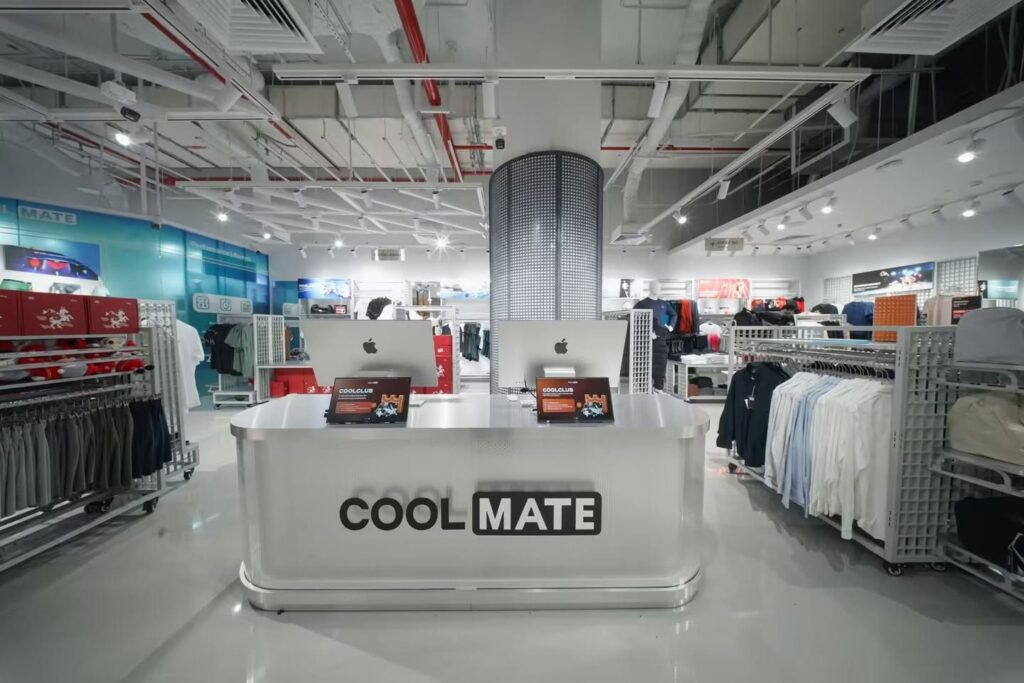
These past few days, retailers have been talking a lot about Coolmate, a fashion brand that rose to prominence online, opening offline stores. For many, this is quite surprising, as Coolmate was once considered a very typical D2C case: selling online, optimizing its supply chain, and employing strong digital marketing. But if you look at the broader context of the current retail landscape, this move is actually quite logical.
About three years ago, while talking to some retail business owners, I shared a rather simple idea: sooner or later, big online brands will have to open offline stores. At the time, many didn't believe me; some even said bluntly, "You're just focusing on physical stores, so you only value offline ones. They're making hundreds of billions selling online!" I just laughed and said, "Really?" Actually, that idea came from a book I read quite a while ago, "The Unique Retail Experience" by Steven Dennis. This book clearly states that retail isn't dead, it's just changing shape. And one of the biggest changes is that customers no longer buy based on channels, but based on experiences.
Looking at the Vietnamese market in recent years, the picture is very clear. E-commerce is growing extremely rapidly. In 2024, the size of the Vietnamese e-commerce market exceeded $25 billion and continues to grow strongly every year. In 2024 alone, Vietnamese people spent approximately $16 billion on online shopping, equivalent to more than $40 million per day. However, if we put this figure into the total retail market, e-commerce still only accounts for about 8-10% of total retail sales in Vietnam. This means that online sales are growing very quickly, but offline sales still constitute the majority of the market.
But the biggest problem with online selling today isn't the market size, but the ever-increasing costs. In the early years of the e-commerce boom, many platforms strongly supported sellers: low fees, subsidized shipping, and lots of free traffic. But in recent years, the story has started to change. Shopee has adjusted its fees from around 41 TP3T to 101 TP3T depending on the product category, while TikTok Shop and other platforms have also continuously increased commission and transaction fees. If you add payment fees, promotional programs, free shipping, affiliate fees, etc., the total cost of selling on these platforms can now range from 9–151 TP3T of revenue, and in some cases even up to 171 TP3T.

To put it simply, if you sell a product for 500,000 VND on an e-commerce platform, the platform fees and operating costs alone could amount to around 60,000–80,000 VND. This doesn't even include advertising costs, livestreaming, KOLs, affiliate marketing, etc. Many brands are actually spending 20–30% of their revenue on online marketing just to maintain sales momentum.
Let's take a simple example to make the comparison easier to understand. Suppose a brand sells shirts at an average price of 350,000 VND. If they sell on e-commerce platforms, the platform fees and promotions are around 121 million VND, meaning each order costs about 42,000 VND. If they sell 10,000 orders per month, the platform fees alone would be around 420 million VND. This doesn't even include advertising. Meanwhile, if an offline store in a central location costs around 120-150 million VND/month in rent, plus operating costs, it could reach around 200 million VND. But that store, besides selling directly, also helps increase brand awareness, increase online purchases, reduce advertising costs, and create a better customer experience. In other words, the cost isn't just the cost of selling, but also the cost of marketing.
Therefore, many online brands are beginning to view offline stores from a different perspective: not just as points of sale, but as a marketing and experiential channel. This is also something Steven Dennis emphasizes frequently in his book: today's stores are more like a "media channel" than just a place to sell goods. They help customers try products, understand the brand, create content, and build trust. And in a world where online advertising is increasingly expensive, these physical touchpoints become crucial.

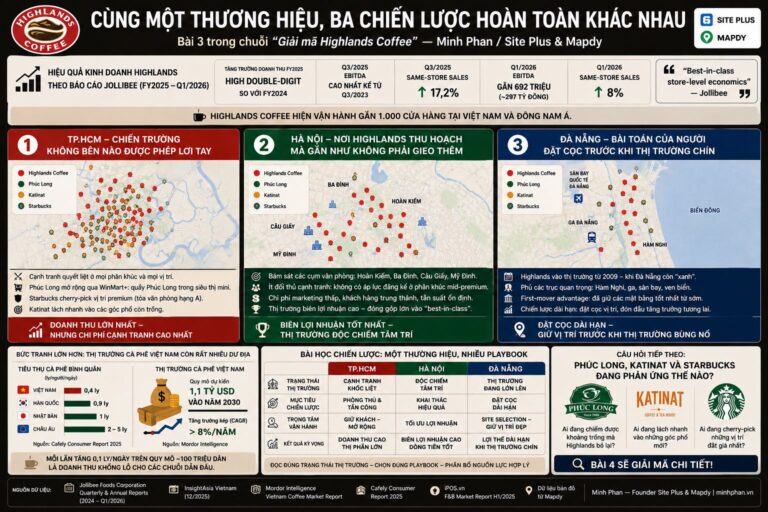
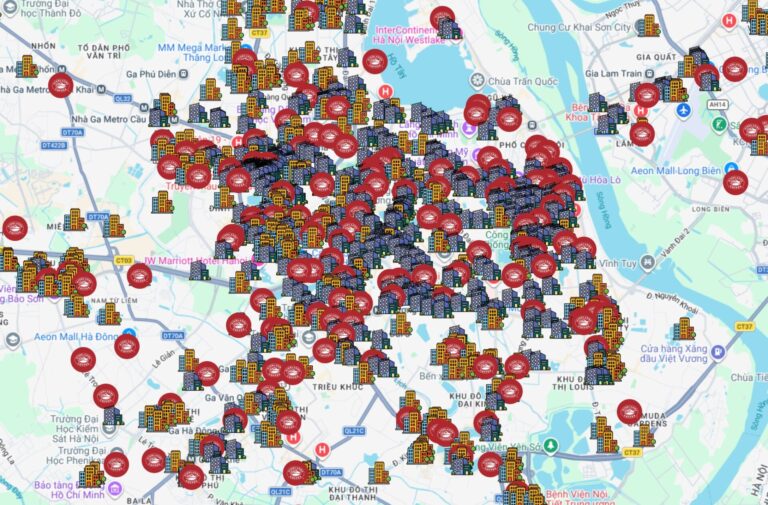
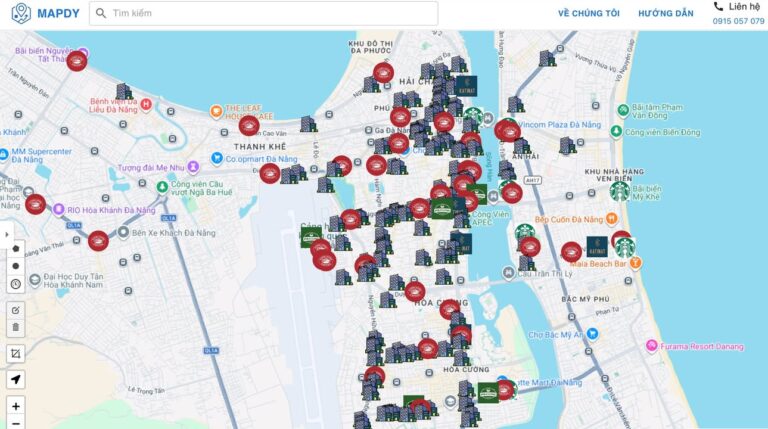
From a real estate perspective, I also see a rather interesting signal. When zooming in on the Mapdy app in the central area of Ho Chi Minh City, within a 500m radius, I found more than 140 street-front properties listed for rent. This indicates a fairly large supply of commercial space after a period of market volatility, but at the same time, demand from brands is returning. In fact, recently I've seen many brands starting to re-evaluate locations, especially those with a strong online presence.
Ultimately, it's not about whether online wins over offline or offline wins over online. Each business will have a different strategy. Some brands are suited to online, some need a strong brick-and-mortar store system, and many choose a hybrid model. The most important thing isn't choosing which channel, but understanding your customers and designing an experience that suits them.
The retail world is changing rapidly. What worked yesterday may not work tomorrow. And perhaps that's why brands like Coolmate are starting to move away from online to experiment with new channels. It's not because online is no longer good, but because retail today is a story of a multi-channel ecosystem – where online and offline support each other.
Did you find this article helpful?
Sign up to receive new articles every week on store layout and retail development.