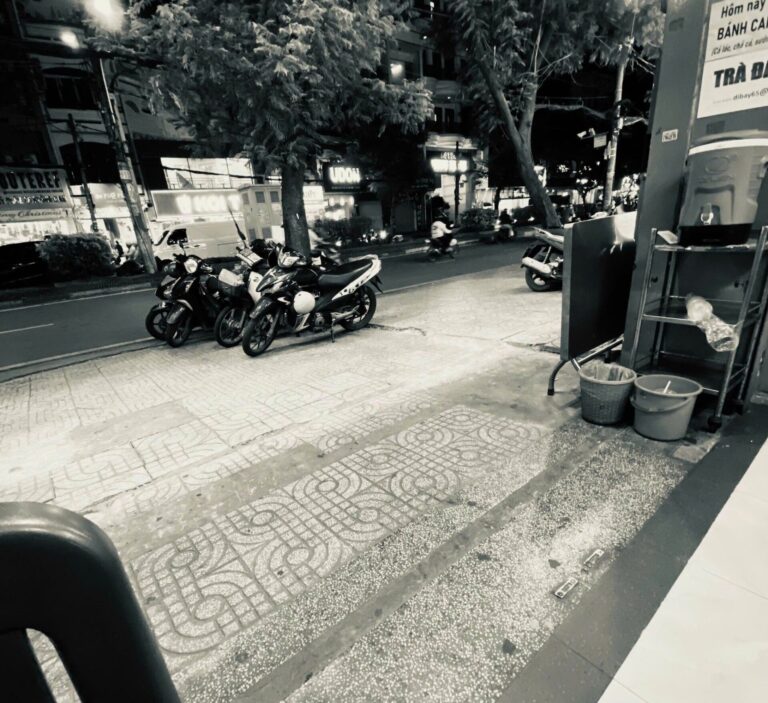
Last week, my team surveyed a property in Go Vap. They sent back a report, and reading one section made me laugh, but also gave me a chill down my spine. Because this is a trap that many store owners have fallen into: the "false crowding" phenomenon.
I'm sure we've all had this feeling. Driving past a coffee shop, seeing it always packed with customers coming and going, your mind immediately switches to daydream mode: this shop is doing well, this business model is great, this area has so much potential, I should find a location nearby to open one and share the customers. But life isn't like the movies, and the grass isn't always greener on the other side.
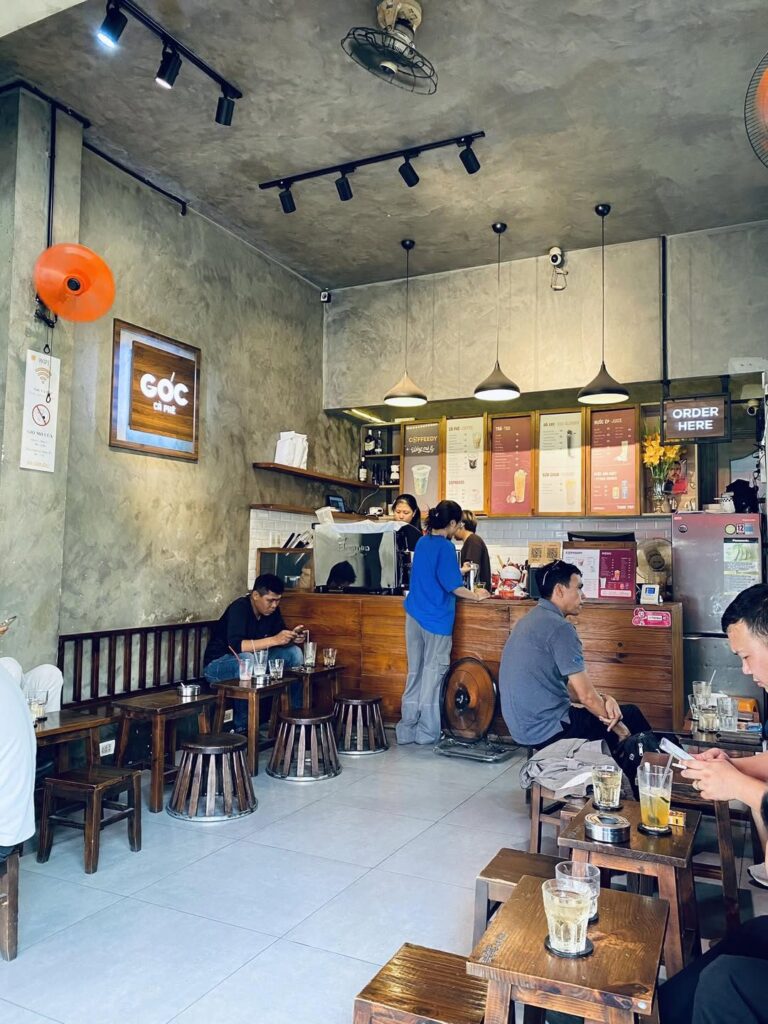
The survey report clearly states: some cafes have customers sitting for an average of 4 hours per visit. It sounds good because the cafe is always crowded, but from a business perspective, it's a mild disaster. Those four hours offer almost no chance of attracting new customers. Tables and chairs are full, but there's no turnover. Revenue remains stagnant, while electricity, water, air conditioning, and Wi-Fi run at full capacity. From the outside, it looks lively and bustling, but inside, the owner sits sighing.
Not to mention the student clientele, who order drinks once and then sit there all day studying, working on projects, or having group meetings. Upselling is difficult, but you can't bring yourself to turn them away. As a result, the cafe is always full, but counting the money at the end of the day isn't fun at all.
Not long ago, many people probably remember how some large coffee chains had to reduce the number of power outlets, and others limited Wi-Fi usage. But doing so immediately drew negative reactions from customers, because from the beginning, we designed the cafes to encourage customers to stay as long as possible: comfortable chairs, spacious tables, cool air conditioning, and strong Wi-Fi. If you invite people to stay, you can't blame them for not wanting to leave.
The problem is: we see the crowd with our eyes, but we don't use our brains to understand the story behind it.
There are many types of crowds. Some are crowded because of good turnover, with customers coming and going constantly. But there are also crowds where customers sit around from morning till evening. These two types look similar, but the business results are worlds apart.
With Site Plus, every time we survey a location with our partners, we never just ask, "Is this place busy?" Instead, we ask further: how long do customers stay, what is the turnover rate, is it possible to sell more, and can the operating costs be sustained? Just a slight deviation can completely change the profit equation.
Many people fall into the trap thinking: this location is too good to be true. But in reality, that "goodness" is sometimes just a beautiful facade. Have you ever encountered such a "false crowd" situation? If so, please share it with Minh so we can learn from each other.
Did you find this article helpful?
Sign up to receive new articles every week on store layout and retail development.