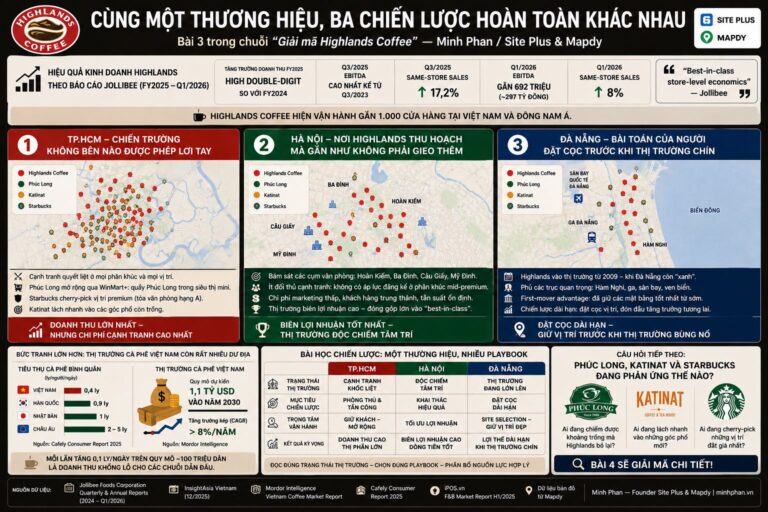
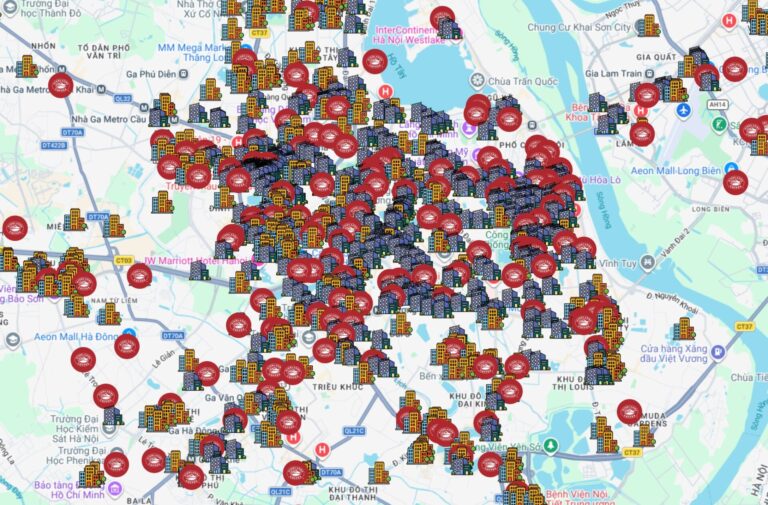
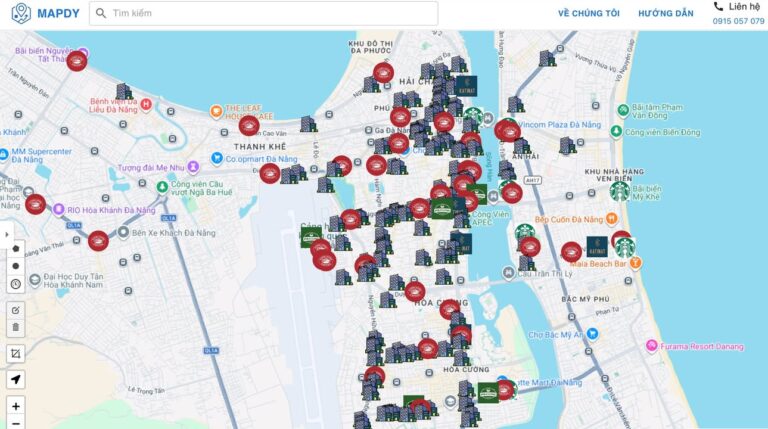
This morning, I made another very… basic mistake. A store in Phu Nhuan. A location where, judging by the number of stores that have already opened, I was fully aware of the risks. I knew the area was subject to old zoning regulations, I knew there was a high chance of encountering building permit issues, and I also knew that if I didn't thoroughly check from the start, there would be unexpected costs during implementation. But I still underestimated it. I underestimated it because I thought I had encountered many similar cases, because I thought it wouldn't be that complicated, and because the contract negotiation phase went quite smoothly. And the result was not surprising. When we started working on it, the company had to spend a considerable amount of extra money just to process paperwork, obtain permits, and make corrections that could have been easily identified before signing the contract if I had been patient and thorough enough.
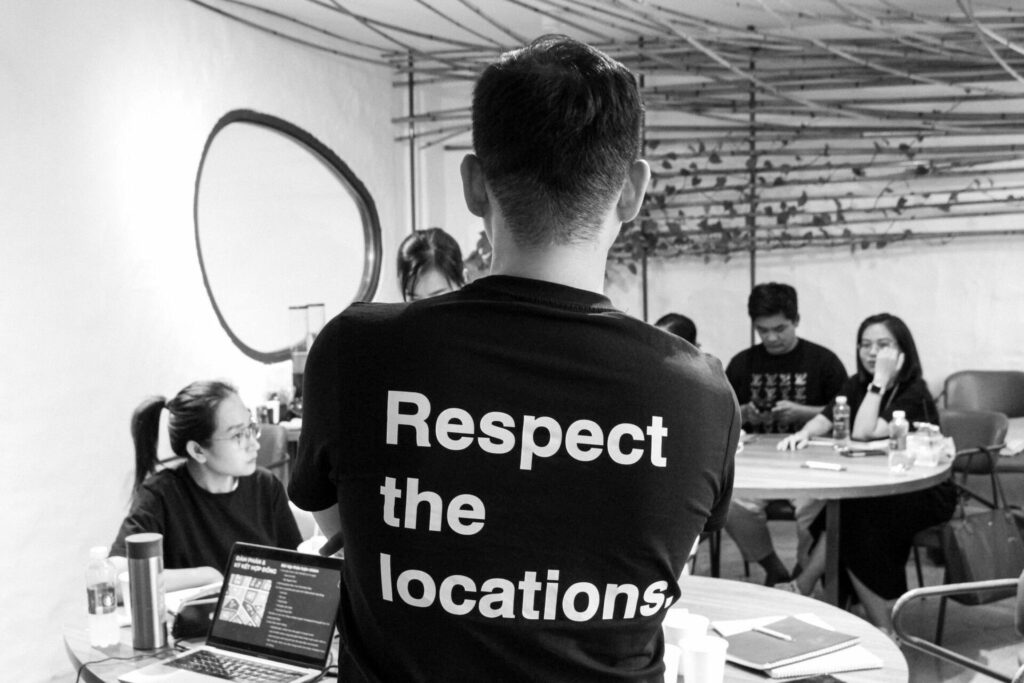
I'm not telling this story to complain. I'm telling it to say something very true: we don't make mistakes at the opening; we often make mistakes before even signing the contract. This is true for me, someone who has opened many stores, not just those opening for the first time.
I've met many people opening their first store, and they usually come with a similar feeling: a mix of excitement and anxiety. Excitement because they finally have something "of their own." Anxiety because the money invested is real, and the pressure is real. They often say the same things to me: "I'm afraid I've chosen the wrong location," "I'm not familiar with the market," "I lack experience.".
That sounds right. But that's not the real problem. The real problem is they're making a huge financial decision, one that could last three to five years, while lacking the capacity to understand what they're signing into. They don't grasp the scale of the game they've just entered, but they have no right to delay. The landlord is urging, the real estate agent is pressuring, and all they have in their heads is a familiar thought: "If I don't close the deal, I'll lose." And so they sign.
From here, blind spots begin to appear.
– The first blind spot is not knowing what constitutes a viable business. Many people can't answer basic questions: how many customers per day are needed for the business to survive, what is the minimum revenue required to avoid prolonged losses, what percentage of their financial capacity is covered by rent, and what is the maximum amount they will lose if they fail to meet the target for the first three to six months? Without a clear threshold, every location seems "acceptable," and that's why newcomers are so quick to agree.
– The second blind spot is confusing feeling with reality. Seeing a lot of cars means you think there are many customers. Seeing a new area means you think it has potential. Seeing many people asking questions means you think there is demand. But reality is different. A lot of cars doesn't necessarily mean people are willing to stop. People who stop don't necessarily go inside. Going inside doesn't necessarily mean buying. And buying doesn't necessarily mean they'll come back. These illusions make newcomers overconfident before they truly are capable, and that's a very dangerous kind of confidence.
– The third blind spot comes from those around you. Brokers need deals. Landlords need to rent out properties. None of them are responsible for whether your store survives or fails after six months. But newcomers lack the experience to distinguish who is advising, who is persuading, and who is leading them in a direction that benefits them. And so they listen, and sign.
– The final blind spot, and the most painful one, only appears when the store fails to meet expectations. At that point, very few people look back at their decision to choose the location. They blame insufficient marketing, poor staff, unreasonable pricing, or bad timing. It's not that they're afraid to face the truth, but because looking back at the decision to choose the location is looking back at the biggest and most painful decision. Admitting it was wrong means admitting they were wrong from the start.
The story this morning in Phu Nhuan reminded me of something very important: experience doesn't make you immune to mistakes; it only helps reduce the probability of error if you're not overconfident. For first-time store owners, the problem isn't a lack of effort or passion, but rather that they're making a big decision without the tools to identify the risks, and no one is there to help them stop in time.
If I had to summarize, these are 5 lessons I think first-time business owners should remember to avoid paying too high a price.
#1: Don't sign the contract until you know the store's survival threshold. Without knowing how many customers are enough or what the minimum revenue is, any location might seem suitable.
#2: Don't trust your feelings more than the data. High traffic, new areas, many inquiries – all need to be verified by actual purchasing behavior.
#3: Always remember that everyone has their own interests, except for the person paying the rent. Ask yourself: if I lose money, who is responsible?
#4: Understand that the biggest mistakes often happen before the grand opening. Marketing, operations, and personnel are secondary; the decision to choose a new location is what locks in long-term risk.
#5: Ultimately, knowing when to stop isn't cowardly, it's wise. Not signing a wrong contract might be the best decision in your entire business journey.
If you're preparing to open your first store, remember that you don't need to rush. You just need to avoid signing the wrong documents. And if you're feeling hesitant, anxious, or not entirely at ease about a big decision, that's not wrong. It's wrong to ignore those feelings and sign anyway.
Did you find this article helpful?
Sign up to receive new articles every week on store layout and retail development.