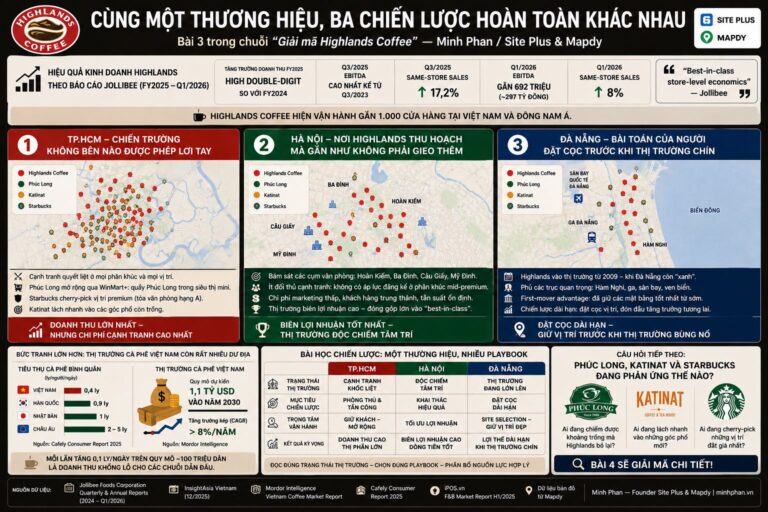
I just read an article about "40,000 Chinese convenience stores preparing to enter Vietnam," and to be honest, my feeling isn't one of worry, but rather... a sense of familiarity. This market has seen too many "big waves" of entry already, and most stories don't end as initially expected. Hearing about 40,000 stores sounds impressive, but it's important to understand: that's the scale in China; in Vietnam, they're currently only testing it out in a few locations. And in this industry, having a large-scale model abroad and achieving success in Vietnam are two completely different stories.
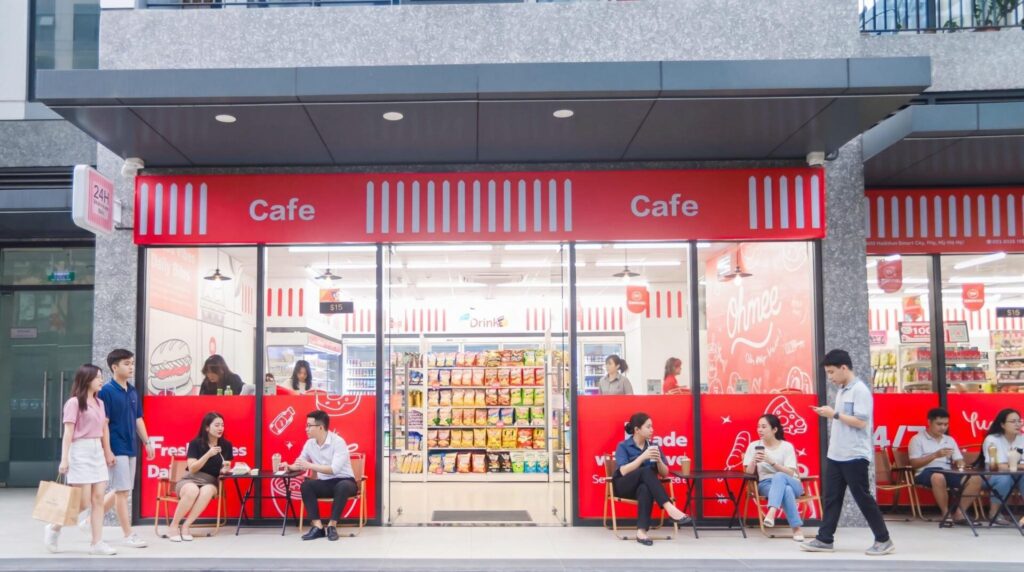
Looking back at history, we have no shortage of cases to learn from. Take Shop&Go, for example, which had nearly 90 stores after more than 10 years of operation, but ultimately sold the entire system for just $1. Or Auchan, a large French retail group, which entered Vietnam with a well-planned strategy and invested tens of millions of dollars, but after only a few years had to withdraw and transfer its entire system. More recently, the press reported that Burger King closed all its stores, and people in the industry mentioned that many of their Chinese snack chains are also closing… These are businesses that didn't lack money or experience, yet still failed. The reason wasn't about scale, but about not understanding the market deeply enough and, especially, making mistakes in choosing locations, driving up rents to expand.
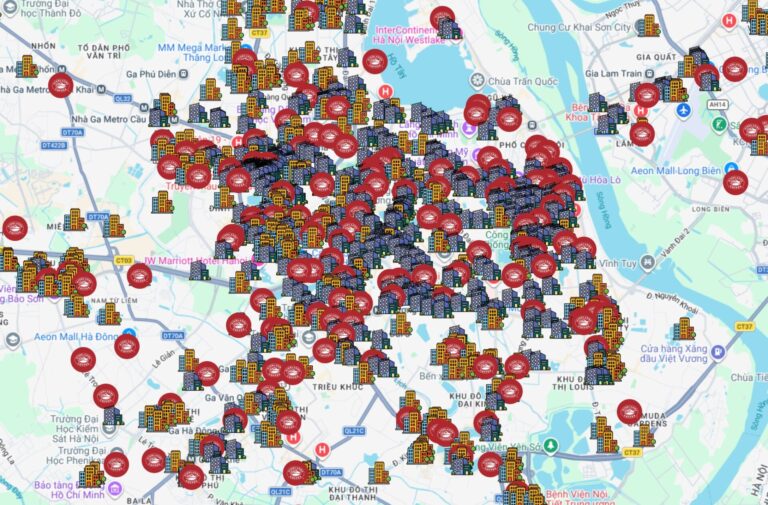
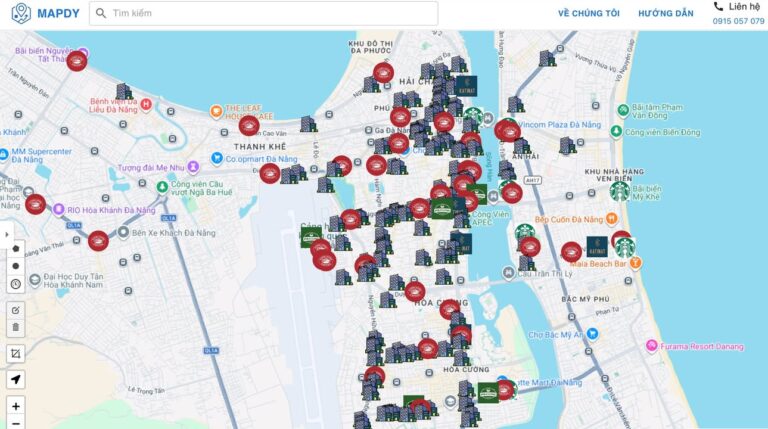
In Vietnam, the most difficult challenge isn't operations or marketing, but finding suitable locations. In reality, prime locations have been largely secured by large chains like Circle K, GS25, 7-Eleven, WinMart+, and Bach Hoa Xanh. According to recent data, WinMart+ alone has over 4,500 stores, Bach Hoa Xanh nearly 2,700, and the entire convenience store and mini-mart market is close to 10,000 outlets. This means that the "prime land" in the market has already been largely divided, and newcomers almost certainly have to accept one of three things: higher rent, less desirable locations, or a significant amount of time spent rebuilding their network.
And when another major player enters the market, it's certain that rental prices will continue to be pushed up. I've personally observed this on many streets in Ho Chi Minh City; with just 2-3 competing chains on the same street, rental prices can increase by 20-50% within 1-2 years. Meanwhile, the convenience store model has a relatively low profit margin, typically fluctuating around 20-30% at the gross margin level, but after deducting costs for rent, personnel, utilities, 24/7 operation, etc., the actual net profit is very thin. This leads to a paradox: the faster you open a store but choose the wrong location, the faster you lose money.
One mistake I see repeated many times is "scaling too early." When a business model gets off to a good start, many businesses tend to expand rapidly to gain market share. But without a clear store expansion plan, control over radius and customer overlap, stores will start cannibalizing each other. This is why many chains look like they have many stores on the outside, but their cash flow is very strained internally. And when the cash flow can't handle it, the "filtering" phase begins: closing stores, cutting losses, or even withdrawing from the market.
The Vietnamese market follows a very clear pattern: there's always a cycle of hype to attract attention → rapid opening → filtering → closure. The previous wave of 19,000 VND fixed-price stores is a prime example; they opened very quickly and spread widely, but then almost all disappeared due to inability to withstand the pressure of costs and rent. The story of convenience stores is no exception to this rule, only on a larger scale and possibly faster.
Personally, I don't think the entry of a Chinese chain is a negative thing. On the contrary, it will make the market more competitive and professional. But precisely because of that, it will make the playing field much tougher. Higher rents, higher operating standards, and more costly mistakes. In that context, it's not about who has more money, but who understands the market better, chooses the right location, and has better long-term prospects.
Minh Phan – Choosing the right location
Did you find this article helpful?
Sign up to receive new articles every week on store layout and retail development.