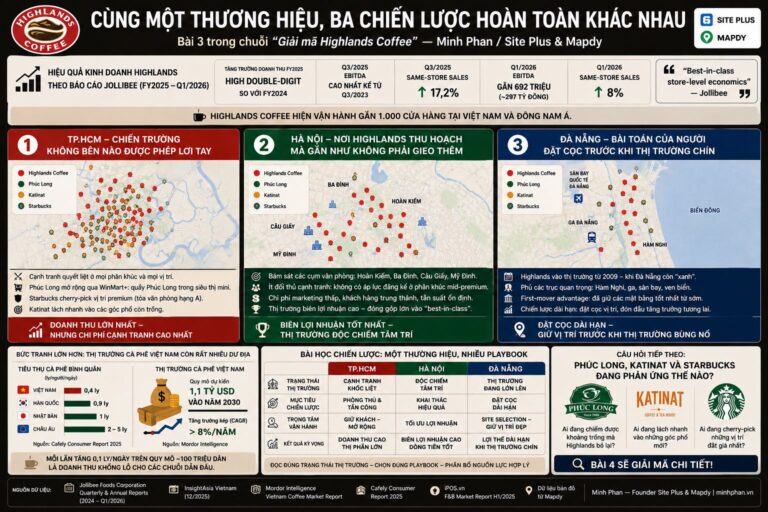
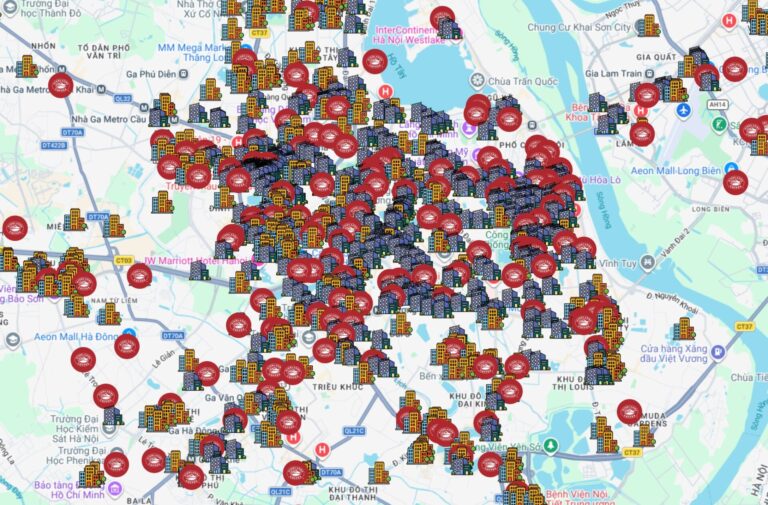
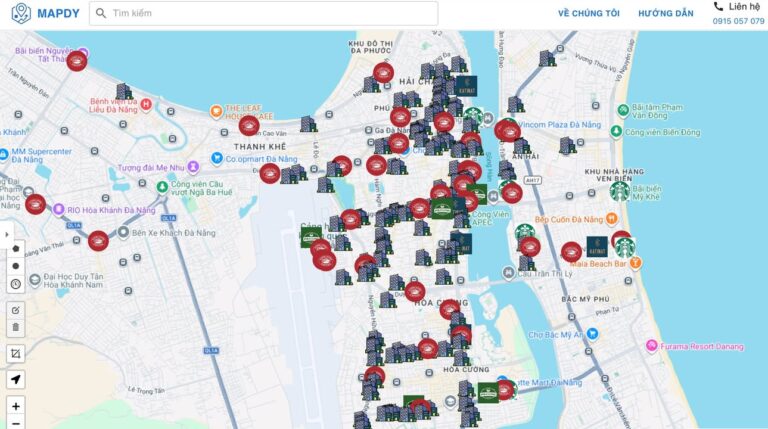
One thing I've realized after many years in this business is that opening a store isn't too difficult, but developing a truly successful store is a completely different story.
Many people think these two things are the same. But in reality, they are very different. Opening a store sometimes only requires finding a location, renovating it, opening for business, and starting to sell. Developing a store, however, is a much longer process, beginning even before the store exists and impacting it for many years afterward.
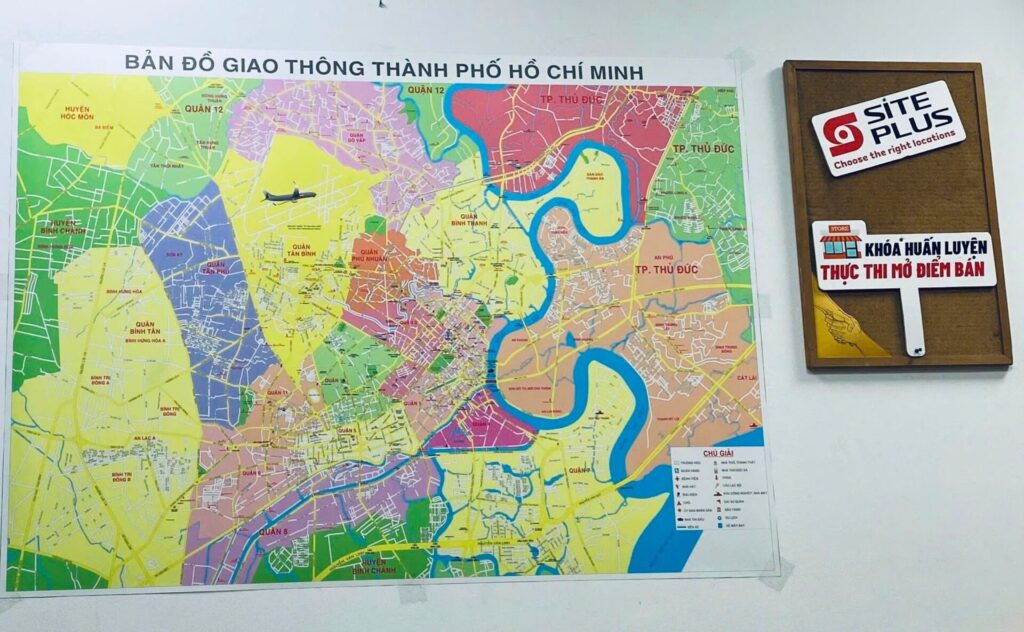
Having worked in this field for a long time, I've realized that developing a store is actually a very comprehensive job. It's not just about finding a location. Those in this profession have to go through many things that outsiders often don't see. There are times when you just stand on the street observing the flow of traffic and people, watching where they stop, how they pull over, or if they just drive by and go on. There are times when you have to sit for hours in a coffee shop to get a feel for the "true flow" of that area.
But observation is only a small part of it. Then there's a whole series of other questions: who are the customers in this area, is it right for the business model I intend to open, what is the purchasing power of that area, and how much revenue would I need to generate to cover the costs if I rent this location? Sometimes I have to sit down and break down each number to see if the calculation is reasonable.
Next comes the contract. Developers must carefully read the lease agreement: clauses regarding price increases, lease duration, repair rights, termination rights, etc., because even a small detail can cost the business dearly later on.
But the work doesn't stop there. There are points to inquire about regarding land and property law, zoning regulations, business licenses, and fire safety. Sometimes you have to work with the landlord, the real estate agent, and the neighbors. There are even cases where you have to go to the local ward or ask the local police to ensure that there won't be any problems when you open the store later.
Jokingly speaking, the job of developing a retail store is like a combination of all sorts of things: market research and analysis, negotiation, contracts, legal matters, working with local authorities… you have to know a little bit about everything, and sometimes you even have to handle things yourself.
The more I work, the more I realize an important thing: the risks of a business location often lie not in the present but in the future. Before opening, everything seems fine. Busy street, beautiful storefront, new building, and the rent seems reasonable. But when you look closer, you see many problems that nobody initially noticed. There are places with lots of traffic but not the target customers. There are places that look bustling but customers only pass by instead of stopping. There are places that look very promising but after only a few months of opening, the revenue isn't enough to cover the costs.
I've met many passionate shop owners. Their products aren't bad, the space is well-invested, and they put in a lot of effort to run it. But in the end, they still struggle to keep it going. Not because they did something fundamentally wrong, but because from the start, the shop was placed in a location that wasn't really suitable. When the foundation is wrong, the more you try to run it, the more tiring it becomes.
Therefore, I've always thought that the store development profession is actually about helping businesses reduce the probability of making the wrong choice. A location decision isn't just about whether or not you can open a store, but about the store's cash flow for many years to come. Rent, initial investment, staff, operations… it all starts with one choice: where to open.
Interestingly, this profession is also somewhat "lonely." When things go well, few remember what the person who chose the location did. But when things go wrong, the question often comes back immediately: "Why did you choose this location back then?" Perhaps that's why a good developer isn't someone who visits the most locations, but rather someone who can spot risks others don't see and dare to say no to seemingly perfect locations.
After many years in the business, I've realized that most store failures don't start with marketing or operations. They begin much earlier, from the moment the business decides where to open.
Simply saying "it's crowded," "it has a nice storefront," or "it looks okay" is usually not enough. Opening a store can be quick, but developing a truly successful business requires a lot of thought before signing the contract.
Did you find this article helpful?
Sign up to receive new articles every week on store layout and retail development.