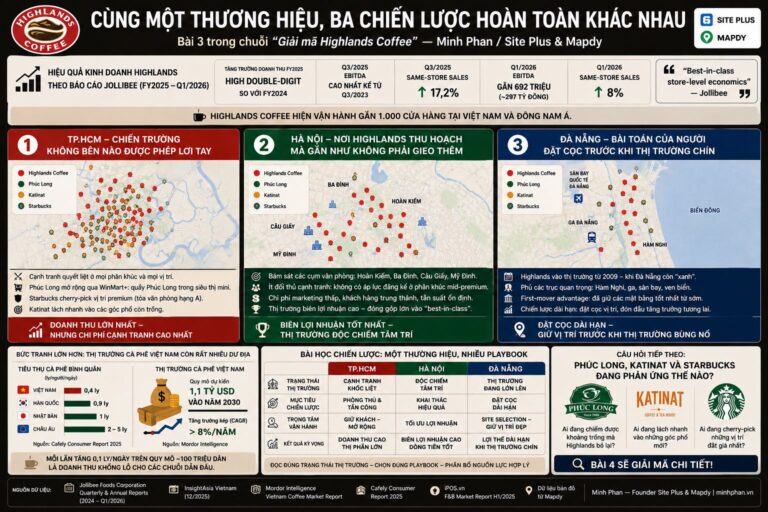
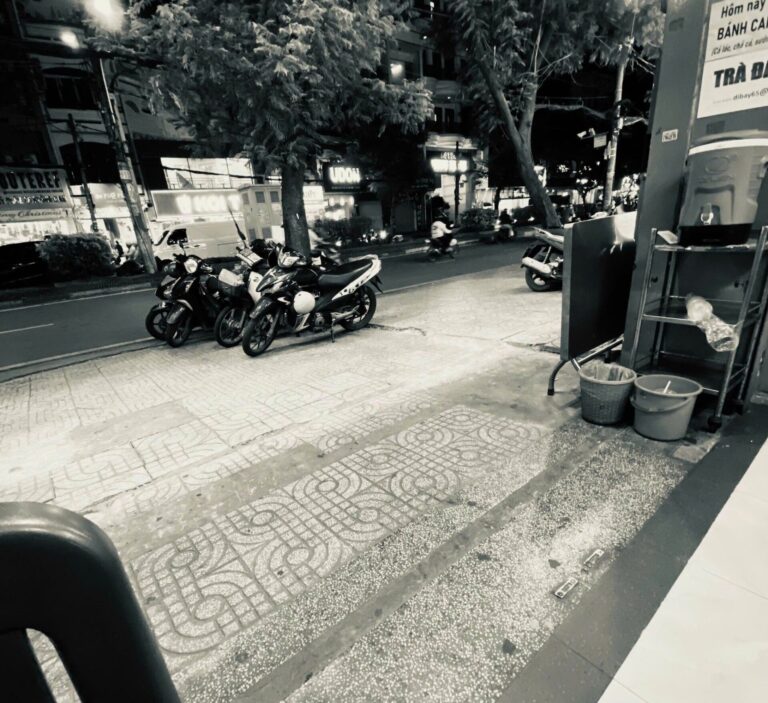
Yesterday, while shopping along Nguyen Thi Thap street, I stopped at a small shop selling steamed dumplings in a bowl. Initially, I just wanted to try them out, but the more I observed, the more interesting I found it. And sometimes, it's these kinds of field trips that help me understand why some small shops can be so successful.
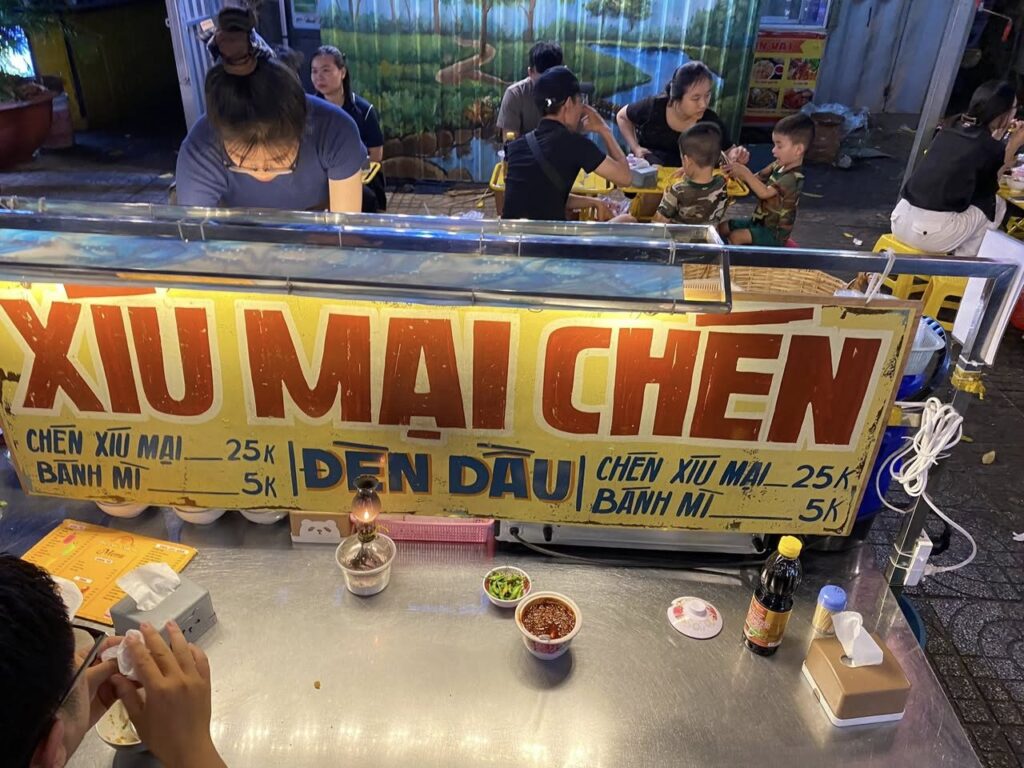
This place has an extremely simple menu. They practically only sell one item: steamed dumplings in a bowl for 25k and a sandwich for 5k. That's it. But the drinks menu is quite extensive, ranging from soy milk to various refreshing drinks, priced between 20-35k. Looking at it for a while, you immediately understand the logic behind this place's operation: keep the food simple to keep the kitchen running quickly, and the profit comes from the drinks.
This is actually a very common logic in the F&B industry today. According to data from iPOS and many F&B chains I've worked with, the gross profit margin for food items usually only ranges from 55–65% of the total cost, but for drinks it can reach 70–85%, especially for homemade drinks like soy milk, tea, or refreshing beverages. This means that if a customer orders an additional 25k VND drink, the profit margin can sometimes be even better than the cost of a meal.
Not to mention, the fewer the menu items, the worse:
– Faster food service,
– lower inventory,
– The kitchen staff is more streamlined.,
– The rate of incorrect orders is also lower.
For example, a restaurant selling 30-40 dishes would require a very large amount of ingredients, a larger refrigerator, a more complex kitchen, and a higher rate of waste. In contrast, models like those with a single signature dish are almost entirely optimized for rapid turnover.
What I like most is the "easy to visit" feel. The space is small, with low tables about 45cm high and stools placed close together, creating a lively and bustling atmosphere. Many restaurants now are beautifully decorated, but customers feel a little hesitant to walk in. But with this type of place, you just want to sit down and eat right away.
And in fact, to see those things, you absolutely have to go out and experience them firsthand.
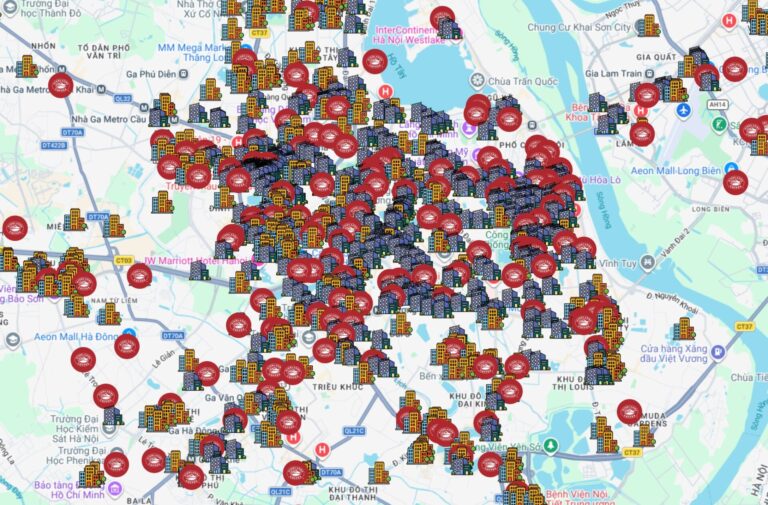
In the real estate development industry, we often jokingly call it the "walking problem." That is, to understand the market, you have to walk around, observe, and feel the real rhythm of the area. Many people now just look at Google Maps, read reviews, or look at pictures online and think they understand the market, but that's really not the case.
There are some things you can only see when you're in the field:
– Who are the visitors?,
– whether the customer arrives by motorbike or car,
– Are there a lot of delivery drivers standing around?,
– How long will the guests be seated?,
– Is the restaurant really crowded, or only crowded at certain times?,
– do people buy takeout or sit down to eat?,
– Is the route convenient for vehicles to stop at?.
For example, on the same road, the number of customers on different sides can be completely different simply because of the direction of traffic or parking habits. These things are almost impossible to perceive from a computer screen.
And it was thanks to these field trips that one thing became quite clear: the sidewalk F&B model in Vietnam is truly very strong.
According to iPOS's 2025 report, over 80% F&B establishments in Vietnam are currently small-scale and independent. The majority are street food stalls, small kiosks, or shops with an area of less than 50m2. This group represents the largest "color" of Vietnam's food and beverage industry.
In fact, street culture in Vietnam is something very special. Almost every Vietnamese person is familiar with the sight of sitting on plastic chairs by the roadside, eating a bowl of vermicelli, a baguette, or a plate of dumplings while watching the crowds go by. It's not just about eating anymore; it has often become a part of our way of life and urban culture.
But in the future, the story of sidewalk management will certainly change quite a bit as policies become stricter. To be honest, I'm a little worried, wondering what will become of these small businesses. Because behind each small stall is actually a story of making a living, an entire family, and the business dreams of many people.
I understand that urban management is necessary, but I also hope there will be more appropriate solutions to ensure urban order while preserving some of the unique character of Vietnam's F&B industry. Because often, it is these small roadside eateries that truly bring life to a city.
Minh Phan – Choosing the right location
Did you find this article helpful?
Sign up to receive new articles every week on store layout and retail development.