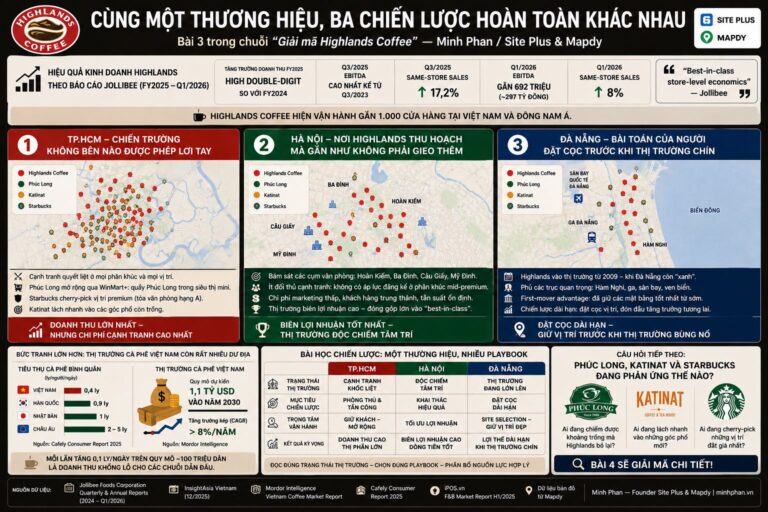
Many people, when forecasting revenue, often look at something very obvious: foot traffic. A lot of cars and people automatically mean good sales. But after years of surveying and opening locations with clients, I've found there's a variable that, if misunderstood, can skew the entire forecast from the start – and that's competition.
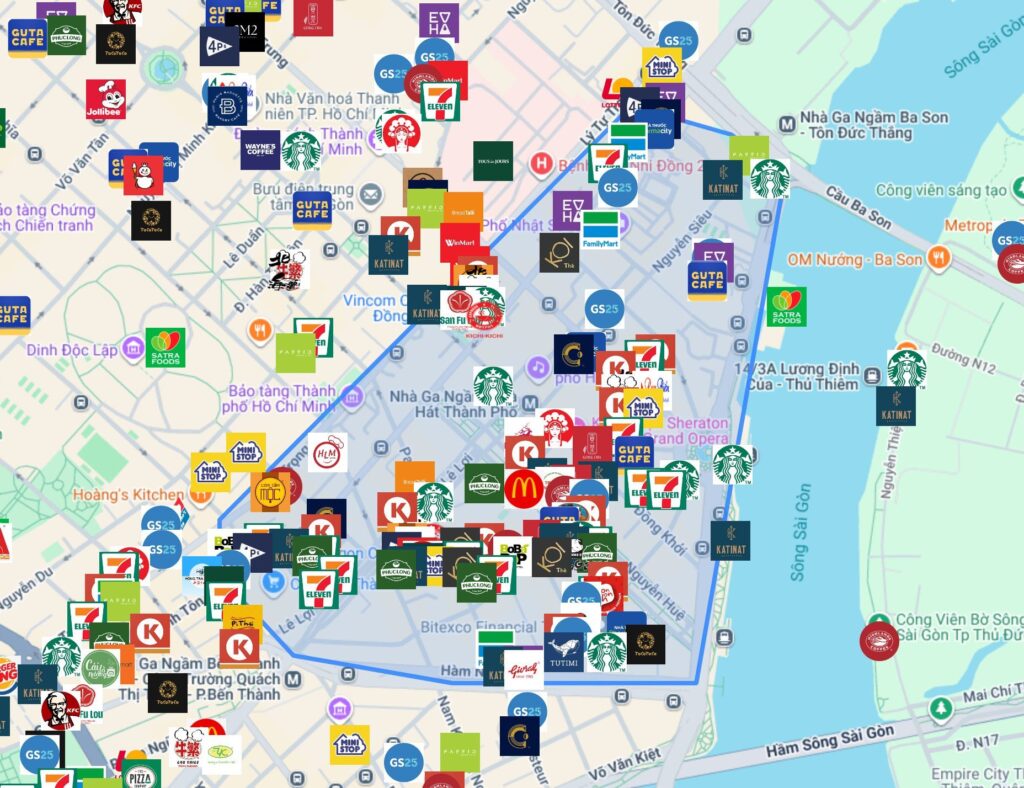
Interestingly, competition isn't just about how many rivals surround you. Competition is essentially about customer choice. Customers might leave your restaurant not because the one next door is better, but because they find another option more convenient, more familiar, or simply... already part of their daily routine.
Many people view competition in a very narrow sense: only those selling in the same industry are considered competitors. But the reality is much broader. A coffee shop in Vietnam today competes not only with other coffee shops, but also with bubble tea shops, convenience stores offering takeaway drinks, and even bakeries with nice seating. Ultimately, customers aren't buying "coffee"; they're buying the experience or fulfilling a need at that moment. Some industries have very clear boundaries, while others have almost completely blurred lines. Misjudging the scope of competition almost certainly leads to inaccurate revenue forecasts.
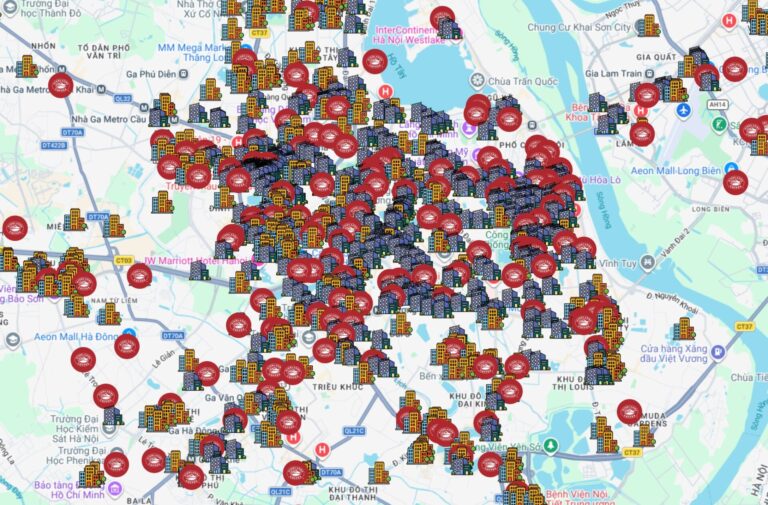
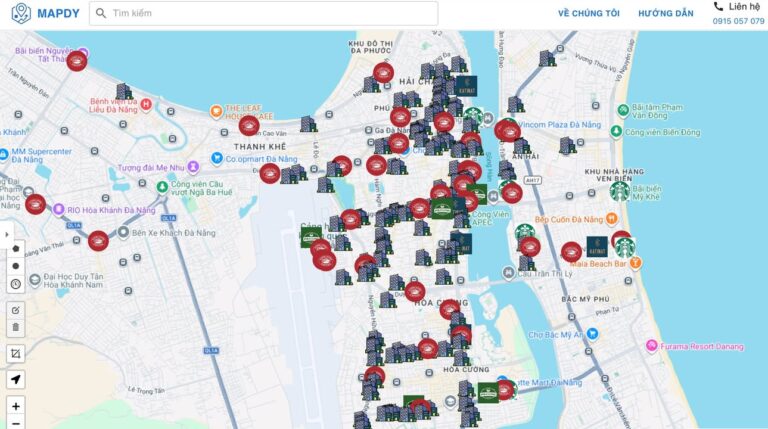
One thing I've noticed many new business owners misunderstand is that being close to competitors is always bad. In reality, the market operates quite the opposite way. In economics, there's a model that suggests many stores tend to be located close together because sellers want to maximize market share – this phenomenon is called location competition. If you notice in Vietnam, streets with many cafes, restaurants, or densely packed service establishments are usually very busy. The reason is simple: customers prefer places with more choices. Studies on the concentration of many businesses in the same or related industries in an area also show that when businesses are concentrated, a positive ripple effect occurs, boosting the overall performance of the entire area. Simply put: A cafe standing alone → customers must have a reason to visit. A cluster of 10 cafes → the area itself becomes a destination.
In everyday language: sometimes competitors aren't stealing your customers, but rather attracting them to their own area.
This is particularly evident in the Vietnamese market. For example, the coffee industry continues to expand strongly. Several recent reports indicate that the Vietnamese coffee market is still growing steadily, with a CAGR of approximately 6–81 TP3T in the coming period, and the sit-in cafe model is one of the fastest-growing channels. As the market continues to grow, the emergence of many brands is essentially expanding the "pie" rather than immediately dividing it. That's why many chains choose a cluster expansion strategy instead of avoiding each other.
But the other side of the coin also needs to be clarified. When the market is saturated and the customer base is no longer growing, each new store opening essentially means a portion of the sales are being lost. At this point, simply counting the number of competitors isn't enough. What I always do is look at another layer: the quality of the competitors. A weak competitor, with a weak brand and poor service, sometimes has almost no impact. Conversely, just one strong brand placed next door can significantly reduce the projected revenue.
In models studying spatial competition, store sales are typically influenced by two main factors: distance and the attractiveness of competitors. Simply put: the closer and stronger the competitor, the greater the attraction. This is something that store owners in Vietnam often overlook, focusing only on distance and forgetting about "brand weight.".
The lesson I've learned from many real-world cases is: when surveying a site, don't ask "how many competitors are there?", but ask "why are customers coming here, how many options do they have, and where do I stand in their minds?". Once you can answer that, the cost estimate will naturally be much more realistic.
And one more thing that's very important, especially for those opening stores in Vietnam: competition isn't something to avoid. It's data to help you understand the market. If an area already has many brands and more are opening, it's often not a dangerous sign, but rather an indication that the area has a sufficiently large customer base.
Ultimately, competition is just one variable in the overall revenue equation. It always goes hand in hand with location, store model, pricing, products, and operations. But if you understand competition correctly—its scope, quality, and its two-way impact—you'll avoid a very common trap: opening in a place with "few competitors" only to discover the real reason is... there's no market.
I often tell my team a very simple thing: it's not about who can avoid the competition that wins, but about who understands the competitive landscape. That way, they can make more accurate predictions and open their store with much less stress.
Did you find this article helpful?
Sign up to receive new articles every week on store layout and retail development.